Cultural Tapestry of Farewell: Cultural Traditions and Social Fabrics of Indian Funeral Customs
Wiki Article
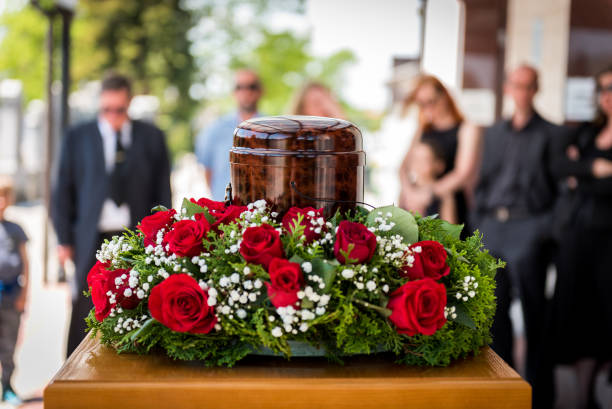
Within the vibrant subcontinental heritage of India, cultural practices surrounding the final farewell of a community member reflect a deep commitment to social solidarity. In every corner of the subcontinent, the traditions associated with honoring an individual's earthly chapter are rich with regional artistry, historical significance, and intricate social customs. Rather than focusing merely on loss, these customs serve as a vital cultural bridge, fostering hospitality, deepening community ties, and upholding generational respect. The quiet period immediately after a farewell are characterized by meticulous cultural preparation. Family members gather to perform traditional preparation rituals passed down through untold generations. The departed loved one is dressed in spotless traditional attire that reflect regional dress customs. Simple white clothing remains the classic preference, reflecting social balance, harmony, and pristine beauty. Within specific regional groups, traditional textiles featuring intricate patterns or specific cultural colors are selected to celebrate an elder's wisdom and societal contributions. Flowers hold a deeply meaningful place throughout this artistic setup. Vibrant arrangements of native blossoms are layered gracefully upon the resting platform. These floral decorations are far more than aesthetic adornments; they express the collective affection and high esteem of the community. Anointing with cooling sandalwood, pure rose oils, and herbal extracts underscores the high level of respect, hygiene, and beauty present in the household. A deeply moving and visually distinctive element of these traditional farewells is the ceremonial procession leading from the home toward nature's resting site. Understood as a public gesture of unity, this peaceful walk along shared streets turns family sorrow into a dignified public tribute. Neighbors, extended relatives, and acquaintances gather outside the domestic residence, garbed in white garments of respect showing total unity, equality, and shared respect. The individual is carried upon a gracefully constructed frame made from natural bamboo, adorned with fresh green leaves, traditional woven textiles, and rich floral garlands. While the gatherers walk along the neighborhood paths, participants share the responsibility of bearing the weight. This physical act of sharing the weight is a profound gesture of communal respect, symbolizing that no family carries the weight of a farewell alone. Across numerous localities, soft rhythmic beats from local instruments or classic brass arrangements enhances the journey, offering a graceful auditory backdrop that announces the passing of a respected community member to the surrounding neighborhood. The extraordinary variety of Indian heritage is clearly visible in the local variations that mark each district's traditional customs. Even as mutual respect and community participation stay identical throughout, the visual and artistic details differ wonderfully from north to south, and east to west. Once the initial rites conclude, family life shifts into a structured phase of quiet reflection, observed over nearly two weeks. During this timeframe, the family home becomes an open sanctuary for guests arriving from nearby and far-off locations who travel from afar to offer condolences and pay their respects. Hospitality during this period is a vital cultural requirement. Simple, nutritious vegetarian meals are prepared daily in large quantities to serve all guests who arrive to honor the family. Sharing food in this manner encourages warm fellowship, encourages the sharing of fond memories, allowing the neighborhood to take care of all domestic chores for the family. The conclusion of the primary formal gathering period is marked by a large-scale community feast and memorial gathering. Family elders share stories of the individual's achievements, wisdom, and character traits, passing down valuable life lessons to youth. Generous community donations—such as donating clothing to community members, distributing food to those in need, or supporting local educational initiatives—are organized as a meaningful tribute, strengthening societal support systems and charitable values.
Muktidham Crematory Families across India handle these dignified moments through a harmonious mix of joint effort and refined etiquette. From the vibrant rural villages to the bustling urban centers, the active participation of the surrounding community underpins every step of the cultural farewell. These time-honored practices offer a meaningful space allowing society to express gratitude, care for grieving households, and pass on oral histories.
Dignified Preparation and Family Care
The White Procession: Community Solidarity in Motion
Aspect
Primary Material
Symbolic Value
Attire
Simple White Cotton Garments
Represents purity, equality, and shared grief.
Palanquin Frame
Natural Bamboo and Rattan
Demonstrates local craft and eco-friendly design.
Garlands
Fresh Marigolds, Lotus, and Roses
Conveys family devotion and visual honor.
Natural Essences
Sandalwood Paste and Rosewater
Provides sensory elegance and traditional purification.
Subcontinental Diversity in Farewell Customs
Hindu Crematorium Ground Hyderabad No matter if the community practices gentle earthen burial or ceremonial fire rites, the emphasis stays firmly placed on cultural values of returning the physical form to nature's fundamental components in a manner that honors the land and traditional environmental philosophy.
Hospitality, Remembrance, and Social Continuity
Conclusion: An Enduring Legacy of Respect
Wilson Garden Electric Crematorium The farewell traditions of India present a masterclass of deep-seated hospitality, cultural elegance, and mutual care. By transforming a moment of farewell into a dignified celebration of cultural heritage, these customs prove the enduring value of shared hospitality and tradition. By combining fragrant floral arts, dignified processions, local customs, and charitable giving, Indian culture honors the journey of the individual and keep their rich social fabric alive for years to come.